
The Repair Movement
Connecting people with the fixers, makers & skilled hands in our communities.
Share knowledge. Build skills. Keep what we have in circulation.
There was a time when repair and reuse were part of everyday life.
Things were made to last
and cared for when they broke.
The cobbler. The tailor.
The seamstress who hemmed your pants while you waited.
The hardware guy who knew exactly what you needed before you finished explaining.
The repair shop that fixed your toaster instead of selling you a new one.
And neighbors who shared what they had—without thinking twice.
That wasn’t just charm.
It was a way of life.
Somewhere along the way, we were told it was easier to replace than repair.
And slowly, without noticing, we lost more than repair shops—we lost the habit of fixing, and created a whole lot of waste.
We Believe
Repair is both a radical act and a practical one.
It’s how we reduce waste, build skills,
and reconnect with the people around us.
01Repair is knowledge meant to be shared— a bridge between generations, where skills are passed down, not lost.
02Caring for our things is how we protect the natural world and build a better future.
03What’s worth keeping isn’t just the object—it’s the knowledge, the stories, and each other.
04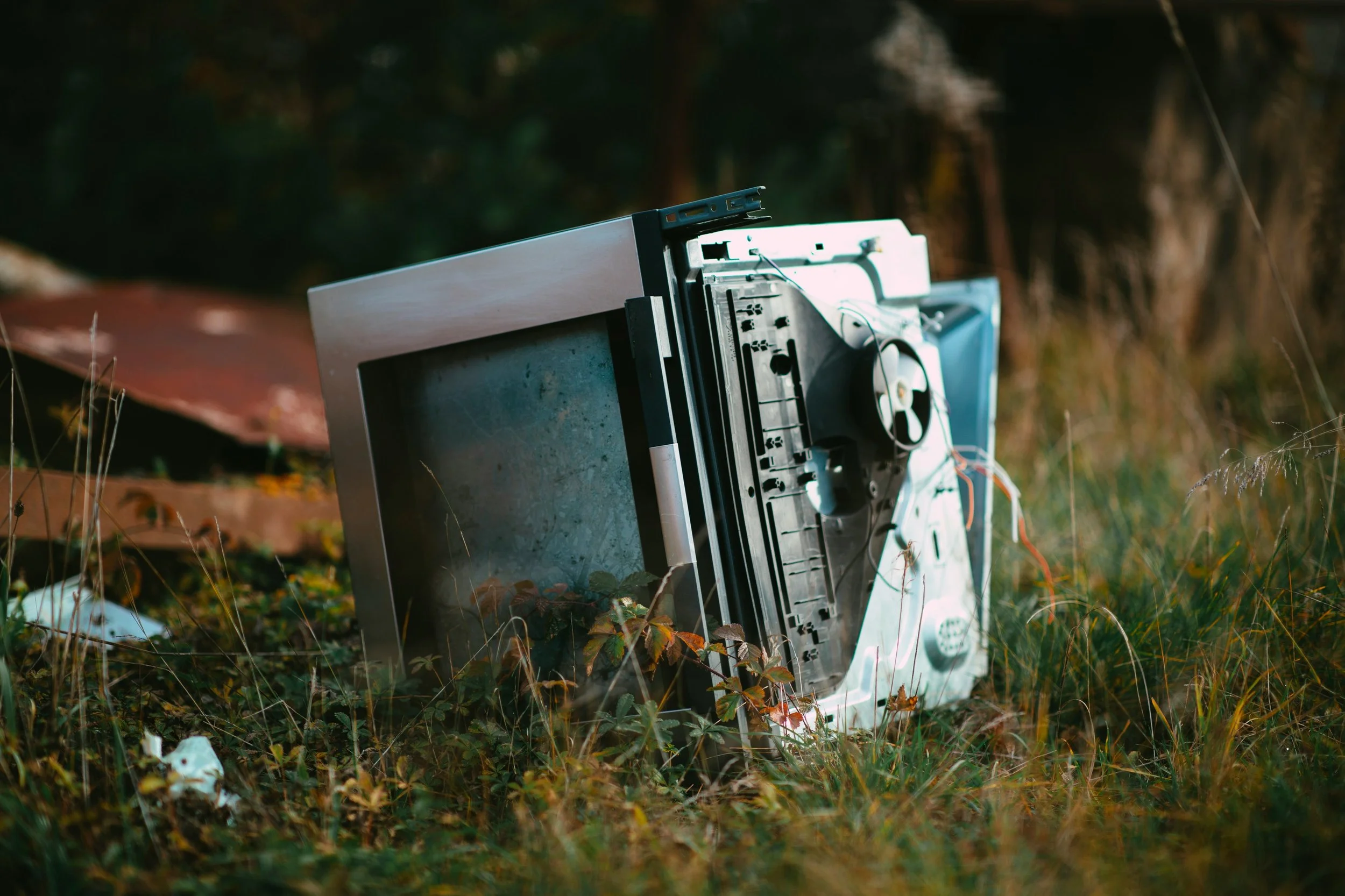
Where Waste Actually Goes
UP TO 14M
TONS ENTER OCEANS YEARLY -IUCN EST.
Oceans & Waterways
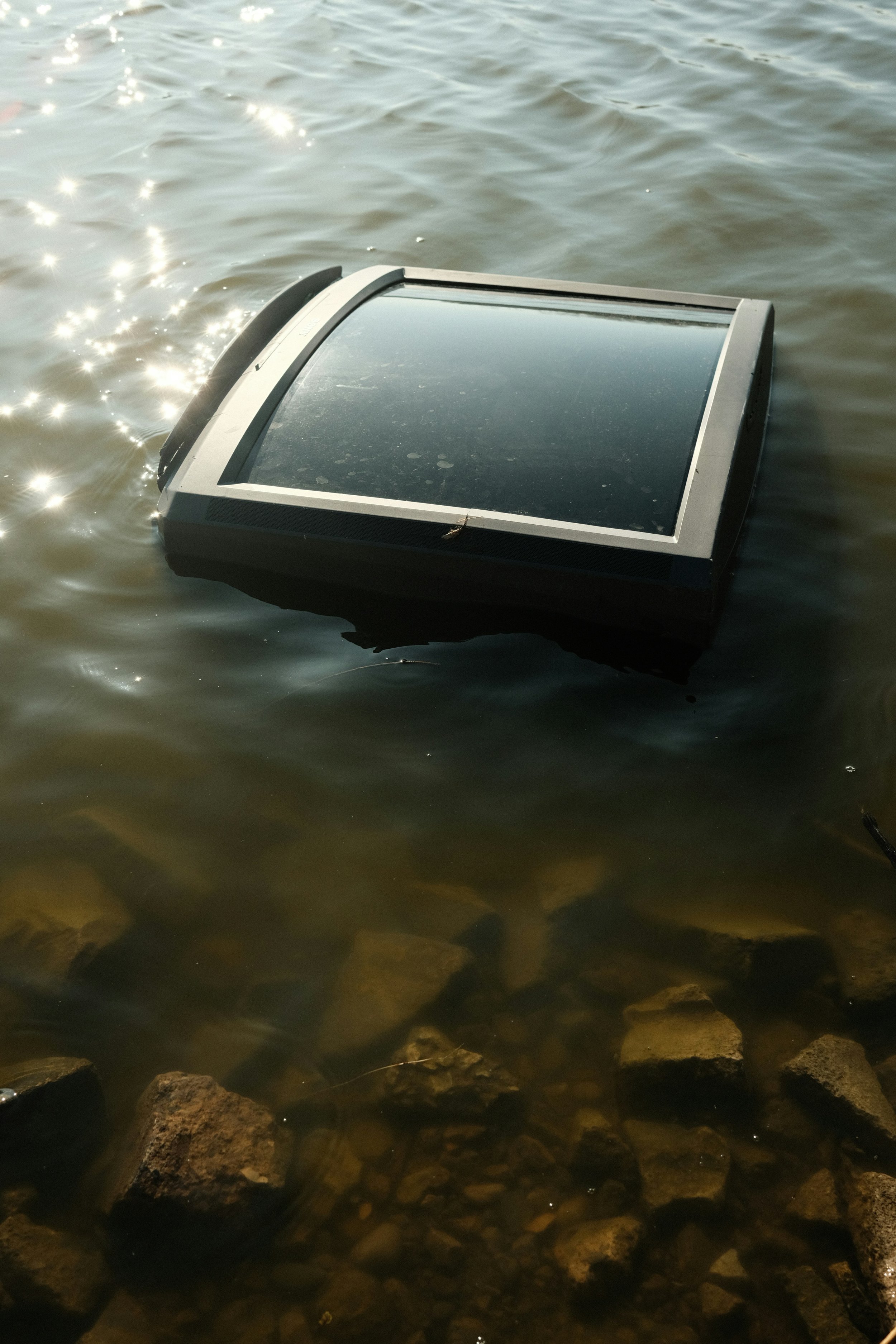
Plastic fragments, microplastics, and chemical runoff enter rivers long before reaching the sea — often invisible until they accumulate.
40%
OF GLOBAL WASTE
Burned — incineration or open burning
Burned in waste-to-energy plants or openly in unmanaged sites. Marketed as clean, but releases dioxins, mercury, and fine particles into the air.
2B
PEOPLE LACK WASTE COLLECTION — WORLD BANK, WHAT A WASTE 3.0
Dumped — landfills & open dumps
40% of all waste ends up in open dumpsites per UNEP. Without formal collection, communities burn or dump — leaching chemicals into soil and groundwater for decades.
60–90%
E-WASTE ILLEGALLY TRADED OR DUMPED - UNEP
Sent to other countries
Shipped abroad under the label of recycling. Much is never processed — just relocated, shifting the environmental and health burden to lower-income countries.
∞
PERSISTENCE OF MICROPLASTICS
Broken down into pollution
Degrading materials become microplastics, VOCs, and heavy metals absorbed into the ground we grow food in and the air we breathe.
SOURCES: IUCN, UNEP WASTE CRIMES, WASTE RISKS (2015), UNEP GLOBAL WASTE MANAGEMENT OUTLOOK 2024, WORLD BANK WHAT A WASTE 3.0, ENVIRONMENTAL SCIENCE & TECHNOLOGY
What We Are Doing
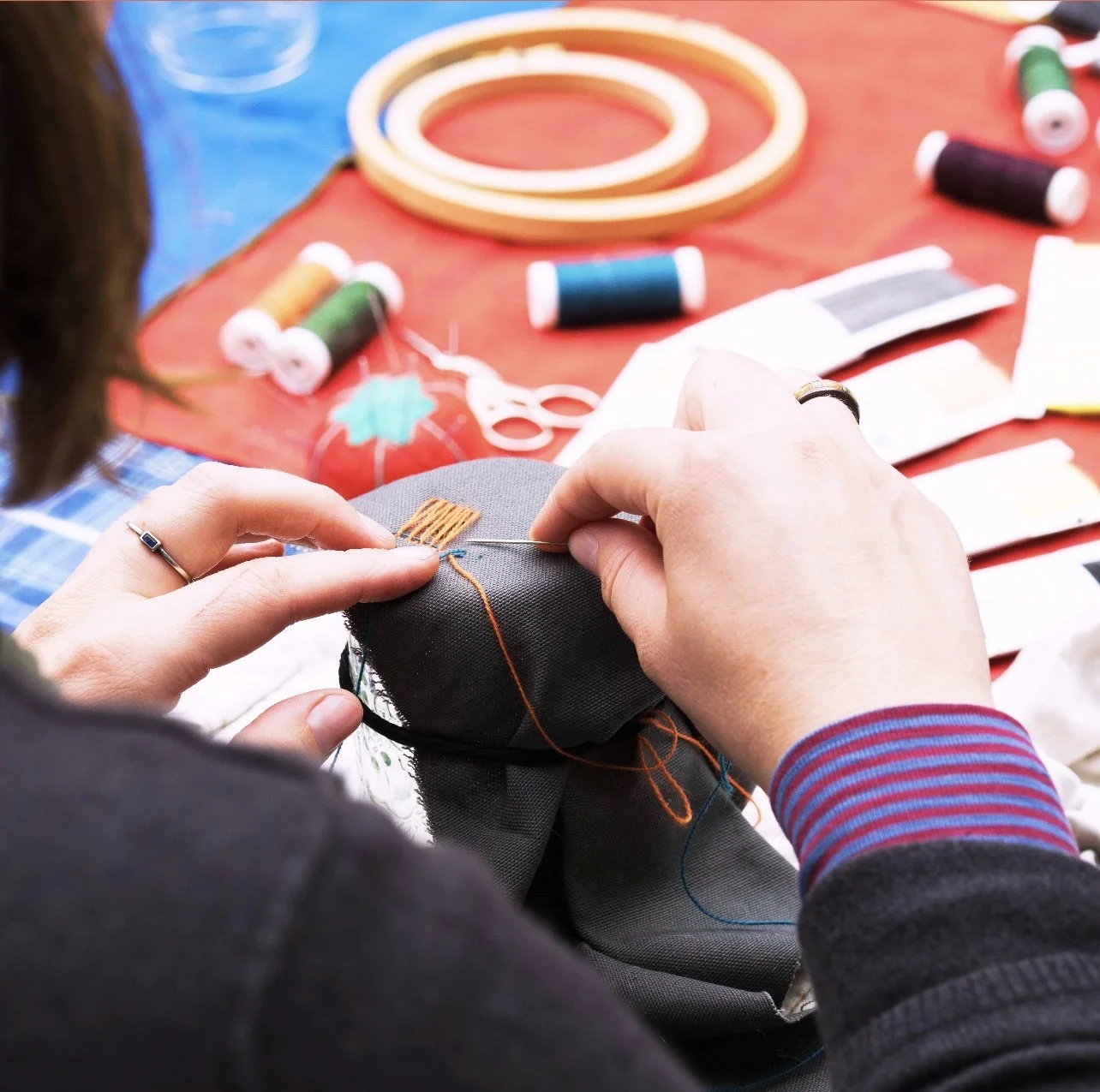
Mend Together Free | All Welcome
Join us for an afternoon of mending together, sharing skills, and getting to know the people who make repair happen in our community.
Bring something you love that could use a little care. If you’re new to mending, come learn. If you’ve been mending for years, bring what you know and share your skills with others. There’s room for everyone at the table.
No sewing experience necessary. Bring a piece of clothing to work on, or simply come by to see what we’re up to and be part of the afternoon.
Mend. Learn. Be in community.
Sunday, October 25th
1:30–4:30 PM
Felton Branch Library · Felton, CA
The Repair Index
We’re building a growing network of repairers, menders, makers, restorers, and skilled craftspeople — bringing together the repair skills and services that already exist in our communities.
Are you someone who repairs?
Add your skills and services to The Repair Index
Why This, Why Now
01
Repair culture used to be the norm.
For most of human history, people fixed things. They traded skills, shared tools, and kept goods in circulation. Consumer culture told us it was easier to replace — but easier isn't always better.
02
Waste is a design problem.
A significant portion of what ends up in landfills is repairable, reusable, or exchangeable. The Repair Movement is building community infrastructure that makes the sustainable choice the practical one.
03
People are hungry for real connection.
There's something that happens when neighbors gather around a shared purpose — fixing, sharing, learning together. That's not nostalgia. It's a need. And it's exactly what these events are designed to meet.
04
Small & local is where change actually starts.
We're starting in Felton, CA. But the model — community-led, practical, joyful — can scale. Every repair café, every swap meet, every skill share adds to a global shift in how we relate to the things we own.
How Can We Work Together
Partner with us — Are you a business, organization, retailer, library, school, or community group interested in hosting, sponsoring, or collaborating to make repair and reuse more accessible?
Share your skills — Have a repair, mending, making, or reuse skill you’d like to teach or demonstrate?
Collaborate on an event or project — Have an idea for a workshop, gathering, or community project? We’d love to hear it.
Volunteer — Want to lend your time, expertise, or behind-the-scenes support to help grow the movement?
Something else — Have another idea, question, or opportunity? Tell us what you have in mind.